 Cart
Cart 
 Cart
Cart
Popular Packages
Blood Tests
Package Categories
Introduction
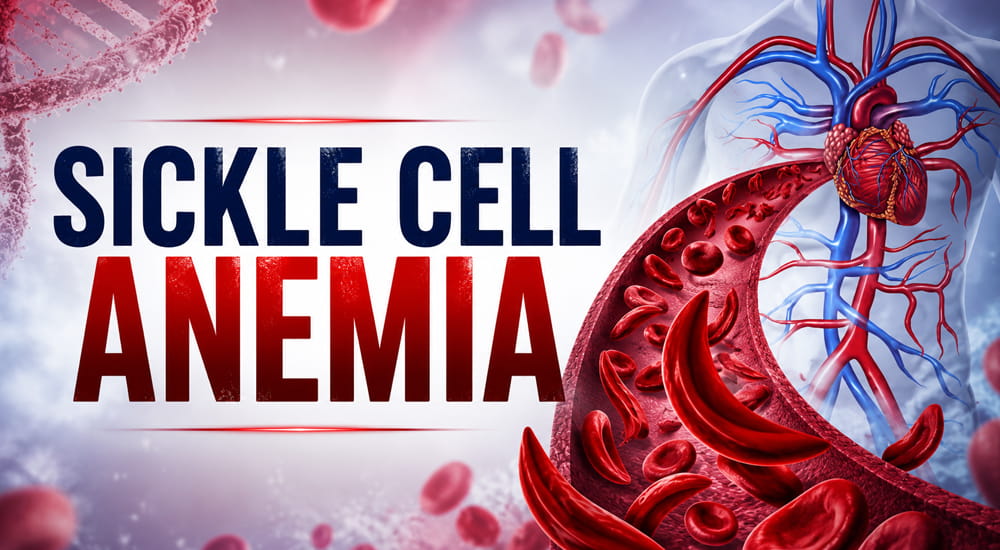
Sickle cell anemia is a blood disorder. This inherited blood disorder starts affecting the red blood cells, which leads to a severe form of anemia. As we know, normal red blood cells are flexible and round while the sickle cells are C shaped, sticky and stiff. Therefore, when normal blood cells can easily and smoothly slide through the blood vessels, the sickle cells get stuck in the vessels due to their abnormal shape and nature. The sickle cell anemia is a condition that makes the red blood cells turn into sickle cells or c-shaped cells. Genetic variation affecting the HBB gene is known for being the major cause of this condition. If both of the parents carry these changed genes then the child is most likely to be born with sickle cell anemia. Let’s talk about the primary symptoms of sickle cell anemia that will help you assume the presence of the disease in your body.
What are the primary symptoms of sickle cells anemia?
The symptoms usually start showing up at the time when the babies are approximately 6 to 9 years old and may keep getting worse with time. Some of the common symptoms of sickle cells anemia include
What are the complications of sickle cell anemia?
Common complications that come with sickle cell anemia include
The bottom line
There are several tests available in the market now that can help you get this condition diagnosed accurately. Therefore, it is recommended to go for a test as soon as possible once the primary signs and symptoms of this condition start getting visible in your body. Proper medical care and medications can help you manage the symptoms of it and prevent it from turning worse. You may consult a doctor to know more in this regard.